How to survive and thrive as a solo player in Rust
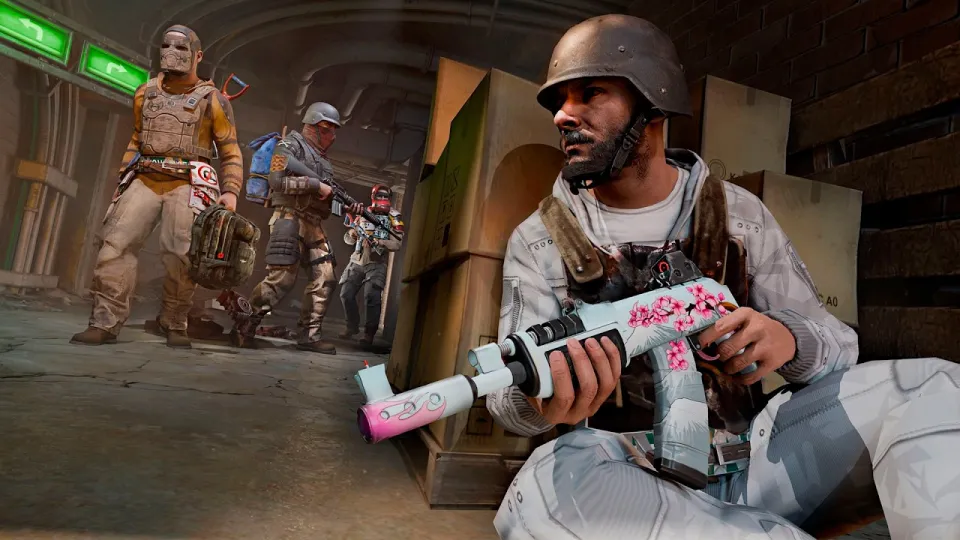
Video: THE SOLO MENACE – Rust
Want articles like this for your own video to promote it on YouTube and Google? Order them through the Telegram bot @sat_sit_bot. It writes articles around your video, embeds the video and publishes them on popular niche websites (no ads). Free trial — 50 articles.
Solo Rust is playable if you treat it as a stealth and logistics game rather than a fair fight: build small, farm in short bursts, store loot in more than one place, and pick fights only when the enemy is split, looting or offline. That is the approach behind SPiiCY's solo run, and it is the same logic any solo player can copy on a fresh wipe.
If you want the exact tools and bonuses used in that run, start with the RustEasy bonus page — it is the main link from the video description and the fastest way to get the same setup.
What makes a solo run in Rust different from clan play
Solo Rust is a resource-management problem disguised as a shooter. A group of four can farm a monument, run oil rig and defend a raid at the same time; a solo player can do exactly one of those things, so every decision costs something else.
The practical consequences are simple:
- You cannot win a straight DPS trade. Two opponents with equal aim beat one, so solo fights must start with an advantage — a flank, a height, a trap, or a third party already shooting at your target.
- Your base is your insurance policy. A solo base should be cheap enough to rebuild in an hour and annoying enough that raiding it costs more than the loot inside.
- Time is your scarcest resource. Wipe-day progression matters more for solos than for clans, because the first 6–12 hours decide whether you have a workbench, guns and a Tier 2 bench before groups start roaming with full kits.
- Information beats gear. Knowing who lives next to you, when they log off and which route they farm is worth more than one extra AK.
SPiiCY's solo content leans on exactly these points: small footprint, fast progression, and picking moments when a bigger group is vulnerable.
How to design a solo base that does not attract a zerg
A good solo base looks poor from the outside and is expensive to raid from the inside. The goal is not to be unraidable — nothing is — but to make a group of ten decide that your 2x2 is not worth 20 rockets.
Key design rules that work in practice:
- Keep the footprint small. A 2x2 or 2x1 with an airlock and honeycomb is cheaper to build and easier to defend than a sprawling compound, and it does not scream "loot here" from the road.
- Layer your loot. Spread sulfur, guns and components across at least two stashes or a secondary base. If the main base falls, you still have a kit and a workbench.
- Use traps deliberately. Shotgun traps in the airlock and a flame turret behind a false wall turn a fast door raid into a slow, loud one that gives you time to respawn and rotate.
- Build away from the action but close to a farm route. Being near a road, a mining outpost or a recycler saves minutes every session; being next to a clan compound costs you the wipe.
- Do not upgrade everything to armored on day one. Sheet metal on the core and stone on the outside is the standard solo compromise — it stops casual raiders and does not drain your stone budget.
SPiiCY has published full base design tutorials through his Patreon membership, and viewers regularly ask for the build from his videos — a sign that solo base layout is the single most requested piece of information in this niche.
Wipe-day progression: the first hours as a solo player
Wipe day is where solo runs are won or lost. The plan should be a checklist, not a mood.
- Spawn, gather 300–500 wood and stone, and place a starter base immediately. A 1x1 with a door and a sleeping bag is enough for the first night; do not carry a full inventory around unprotected.
- Rush a Tier 1 workbench and a research table. Bows, crossbows, nail guns and revolver blueprints come from monuments and barrels, and a researched weapon is permanent progress.
- Farm scrap in short, repeatable loops. A recycler route near your base should take 5–8 minutes per lap, not 20.
- Upgrade to a Tier 2 workbench before you go looking for fights. A solo player with a SAR and med syringes trades far better than one with a bow and hope.
- Bank your sulfur. Every raid starts with sulfur, so storing it in a stash away from the base denies raiders the very resource they came for.
Solo progression is slower than clan progression by design, but it is also quieter: a lone player farming barrels at odd hours rarely draws the attention that a five-man monument rush does.
Revenge raids and PvP: how a solo player picks fights
The most reliable solo tactic is the revenge raid. When a group takes your base, they usually assume you are finished — and that assumption is the opening. SPiiCY's solo videos build around this idea: come back with a raid kit, hit the offenders when they are offline or split across the map, and take back more than you lost.
How to execute it:
- Log the raid. Note which doors were blown, what was taken and roughly how many explosives it cost. That tells you the size of the group and their budget.
- Scout before you commit. Watch the base for a session. Count players coming and going, check for turrets and note when the lights go out.
- Raid the soft side. Groups often armor the front and leave the back of a compound at sheet metal; a solo raider with 8–12 rockets can go through a wall instead of a door.
- Bring a fallback plan. A sleeping bag and a stash near the target let you re-kit if the defence wakes up.
- Do not overstay. Take the loot, seal nothing, and leave. Every extra minute inside is a minute for a counter-raid.
For PvP outside raids, the same principle applies: fight near cover you control, use audio to locate enemies before they see you, and disengage when a second opponent appears. A solo player who survives with a kit is winning even without a kill.
Performance and tools that matter in solo fights
Frame rate is not a cosmetic issue in Rust. In a solo fight you have no teammate to call out the enemy behind you, so a stutter at the wrong moment is often the whole fight. SPiiCY promotes Hypertune (hptn.gg/spiicy) for exactly this reason, and viewers report meaningful FPS gains after using it — one commenter claims nearly double the frame rate.
Beyond FPS, the practical checklist for smoother solo play:
- Cap your settings so your frame rate stays stable rather than spiking in fights; consistency beats peak numbers.
- Lower shadow and water quality first — they cost the most performance for the least competitive value.
- Keep your UI scale readable so you can spot damage numbers and hit markers quickly.
- Test changes on a build server or in a quiet area before taking them into a raid.
All the links from the video
- RustEasy bonus and registration: https://rseasy.com/spiicy
- Base design tutorial and membership: https://www.patreon.com/c/spiicyrust/membership
- Hypertune FPS tool: https://hptn.gg/spiicy
- Patreon join page: https://www.patreon.com/join/spiicyrust
- SPiiCY Discord: http://discord.gg/HZjW3RYMGA
Questions solo players ask most often
Two themes come up again and again under solo Rust content: whether a solo player can actually beat groups, and whether the base builds shown in videos are practical for someone with limited playtime. The honest answer to both is yes, with conditions — the solo player wins by choosing the terms of the fight, and the base works because it is cheap and layered rather than because it is unraidable. Players also ask which servers the creators play on, since high-population servers feel empty of roaming players at certain hours; the answer is usually that roaming happens in bursts around wipe day and monument hotspots, not evenly across the map.
Final thoughts on the solo menace playstyle
Solo Rust rewards patience, small bases and a willingness to hit back when a bigger group has already counted you out. Build compact, bank your sulfur away from the core, progress to a Tier 2 bench before you look for fights, and treat the revenge raid as a planned operation rather than a rage response. SPiiCY's solo breakdown on his channel is a good demonstration of that mindset in practice, from wipe-day progression to the raid that closes the loop. If you want to start with the same setup, grab the bonus at rseasy.com/spiicy and build your first compact base tonight.
Key takeaways
- Solo Rust means fighting groups (zergs) of 4–20+ players with no one to watch your back or farm for you.
- A compact, multi-layered solo base with an airlock and shotgun traps costs far less than a clan fortress and hides your footprint.
- SPiiCY's solo run on his channel shows a revenge raid as the core solo tactic: hit back at the group that raided you while they are offline or split.
- RustEasy at rseasy.com/spiicy is the bonus/registration link from the video description.
- Hypertune (hptn.gg/spiicy) is the FPS tool SPiiCY promotes for smoother PvP and raid fights.
Source: THE SOLO MENACE – Rust · Markdown version
Questions & answers
Can a solo player actually compete with clans in Rust?
Yes, but not by fighting fair. A solo player wins by choosing when and where the fight happens: hitting groups while they are offline or split, raiding soft sides of compounds, and avoiding open-field trades against multiple opponents. Gear matters less than information, positioning and the discipline to disengage.
What is the best base size for a solo player?
A 2x2 or 2x1 core with an airlock and one or two layers of honeycomb is the standard choice. It is cheap enough to rebuild quickly after a raid, small enough to hide, and expensive enough that most groups decide the loot is not worth the explosives.
How do you get revenge after being raided as a solo?
Log what the raiders used and how big the group is, scout their base for a session, then raid the weakest wall rather than the armored front. Bring a sleeping bag and a stash near the target so you can re-kit if the defence logs on, and leave as soon as you have the loot.
Does higher FPS really matter in Rust PvP?
Stable frame rate matters more than peak frame rate, especially in solo fights where a stutter can cost you the whole engagement. Lowering shadows and water quality first, and using a tool like the one SPiiCY promotes, are the usual ways players push performance up without making the game unreadable.